
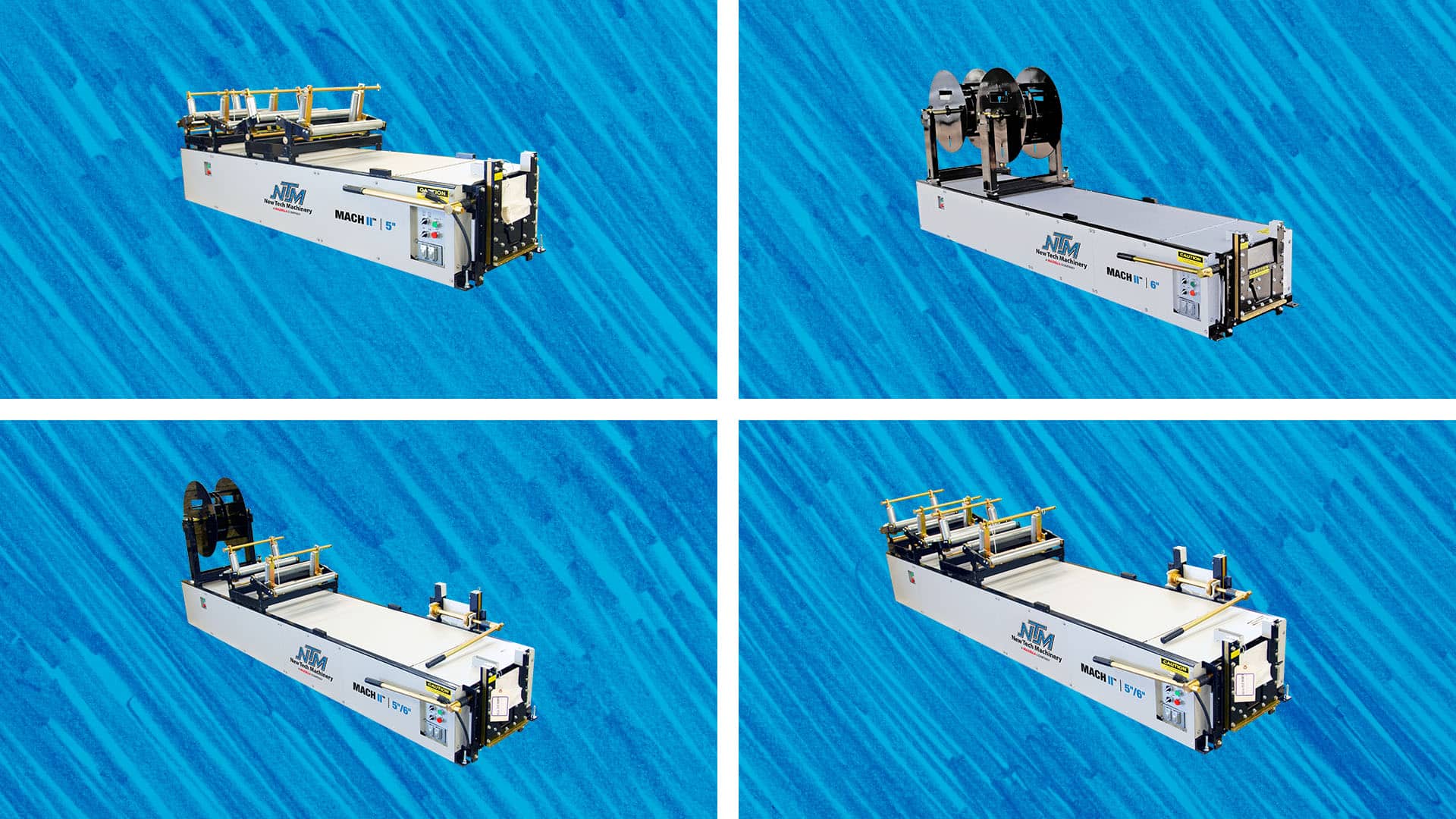
Seamless gutters are a staple of professional roofing and siding work in New York City, providing durable, low-maintenance solutions for residential and commercial properties. At Seamless Gutter NYC, we specialize in high-quality gutter installations across Manhattan, Brooklyn, Queens, The Bronx, and Staten Island.
Adjusting a seamless gutter machine correctly is essential for producing straight, smooth, and consistent gutters. Whether you’re a contractor servicing commercial buildings in Midtown Manhattan or handling residential homes in Park Slope, Brooklyn, understanding the machine’s mechanics will save you time, reduce waste, and improve the overall quality of your installations.
This guide provides a step-by-step approach to adjusting a seamless gutter machine, along with expert tips, borough-specific considerations, and maintenance advice.
What is a Seamless Gutter Machine?
A seamless gutter machine is designed to roll out continuous lengths of gutters from metal coils (usually aluminum or steel). Unlike sectional gutters, seamless gutters are produced on-site, reducing the number of joints and improving durability.
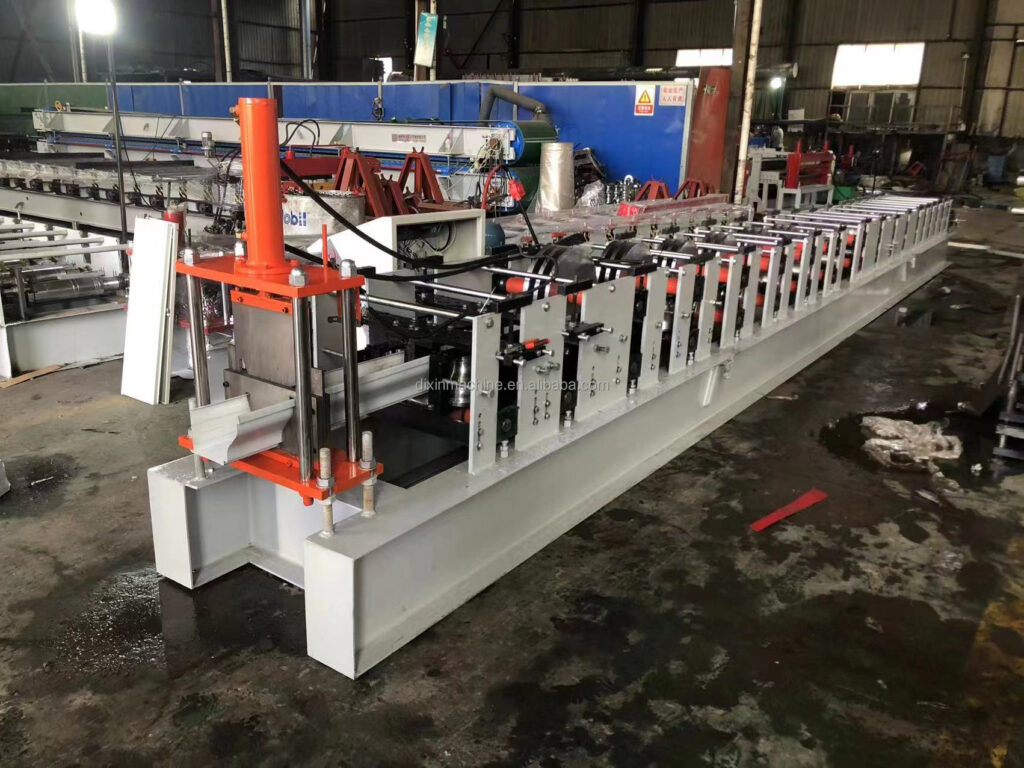
Key Components of a Gutter Machine:
- Rollers: Shape the metal into the gutter profile.
- Crimper: Ensures proper formation of edges.
- Guides: Direct the sheet metal smoothly through the machine.
- Motor and Drive System: Powers the rollers and moves the metal.
Proper adjustment of each component is essential to avoid warped or uneven gutters, which can compromise water flow and lead to leaks.
Why Adjusting Your Seamless Gutter Machine is Crucial
Incorrect settings can lead to:
- Bent or warped gutters
- Uneven seams or crimping
- Jamming or metal tearing
- Wasted material and time
For NYC contractors, this is especially important. Older buildings in The Bronx or Brooklyn often require custom gutter lengths and angles. Commercial buildings in Manhattan need precise, high-quality installations due to aesthetic and code compliance requirements.
Step-by-Step Guide to Adjusting a Seamless Gutter Machine
1. Inspect the Machine Thoroughly
Before adjusting anything, conduct a complete inspection:
- Check rollers for wear or debris
- Lubricate moving parts
- Tighten all bolts and screws
- Ensure the motor and drive system are functioning smoothly
This minimizes downtime and prevents unexpected machine failure during a project.
2. Adjust Roller Alignment
Rollers shape the gutter, so alignment is critical:
- Parallel Alignment: Rollers must be perfectly parallel to avoid twisting the gutter.
- Spacing Adjustment:
- Thicker metals → Slightly wider spacing
- Thinner metals → Narrower spacing for firm grip
- Thicker metals → Slightly wider spacing
- Height Adjustment: Ensure rollers feed the sheet metal evenly without scraping or denting it
Pro Tip: Test on a scrap metal piece before rolling a full-length gutter.
3. Set Crimping Pressure
Crimping secures the gutter edges and ensures the correct shape:
- Begin with medium pressure
- Run a small test piece
- Adjust until edges are smooth and uniform
- Avoid excessive pressure, which can dent the gutter
For commercial jobs in Queens, precise crimping ensures gutters fit complex rooflines perfectly.
4. Align Side Guides
Side guides ensure the sheet metal feeds straight:
- Adjust guides for the width of your metal coil
- Ensure minimal resistance while feeding
- Guides should prevent wobble or misalignment
Tip for Brooklyn and Staten Island: Older homes may have uneven roof edges—slightly flexible guide adjustments can help produce straighter gutters.
5. Test a Sample Run
Always roll a 2–3 foot test section before full production:
- Inspect seams, edges, and overall shape
- Make minor adjustments to rollers, pressure, or guides as needed
- Ensure the gutter length is even and straight
This prevents costly mistakes on long runs, which are common in NYC townhouse projects.
6. Adjust Machine Height and Pitch
Correct height and pitch improve operator comfort and water flow:
- Machine height should minimize operator strain
- Pitch ensures proper drainage: 1/16 inch per foot slope is recommended
- Verify pitch using a level on a test gutter
Tip: On large commercial buildings in Manhattan, multiple machines may be needed for long gutter runs—coordinate pitch adjustments across machines.
7. Regular Maintenance and Safety
Adjustments alone are not enough—regular maintenance keeps your machine running smoothly:
- Clean rollers after each job
- Lubricate moving parts weekly
- Check belts and motors monthly
- Replace worn or damaged parts promptly
For safety, always wear gloves and eye protection, especially when handling metal sheets in tight NYC rooftops.
Borough-Specific Considerations in NYC
Manhattan
- Tight spaces require compact machine setups
- High-rise jobs may need crane-assisted feeding
- Use aluminum for lightweight handling
Brooklyn
- Older homes require custom lengths and angles
- Adjust machine for irregular rooflines
Queens
- Wide residential homes need careful alignment
- Multiple test runs recommended
The Bronx
- Tree coverage may cause leaf debris in gutters
- Reinforced crimping helps accommodate leaf guards
Staten Island
- Heavy rain zones require thicker metals
- Adjust machine for 0.032” or thicker aluminum
FAQs: Adjusting Seamless Gutter Machines
Q1: How often should I adjust my gutter machine?
Adjust before each new job, especially when changing metal thickness or gutter size.
Q2: Can I use the same settings for 5” and 6” gutters?
No, each size requires slightly different roller spacing and crimping pressure.
Q3: What is the best metal gauge for NYC gutters?
0.027” to 0.032” aluminum is ideal. Thicker metals may require stronger roller tension.
Q4: How do I avoid machine jams?
Ensure proper alignment, correct roller spacing, and a clean machine. Always test on scrap metal first.
Q5: Can I adjust the machine alone?
Minor adjustments can be done solo. For long commercial runs, having a second person improves safety and efficiency.
Q6: How do I maintain consistent gutter slope?
Use a level and measure every few feet, especially on long runs in Queens or Manhattan townhouses.
Conclusion
Proper adjustment of a seamless gutter machine is the backbone of professional gutter installation. From roller alignment and crimping pressure to guide setup and pitch adjustment, every detail matters—especially in a complex urban environment like New York City.
At Seamless Gutter NYC, we bring expertise and precision to every project, whether you are installing gutters on a Manhattan commercial building, a Brooklyn townhouse, or a Staten Island home. With correct adjustments and regular maintenance, your seamless gutter machine will deliver perfect, long-lasting results.