
What Clogs Gutters Most in NYC? (Complete 2026 Guide)
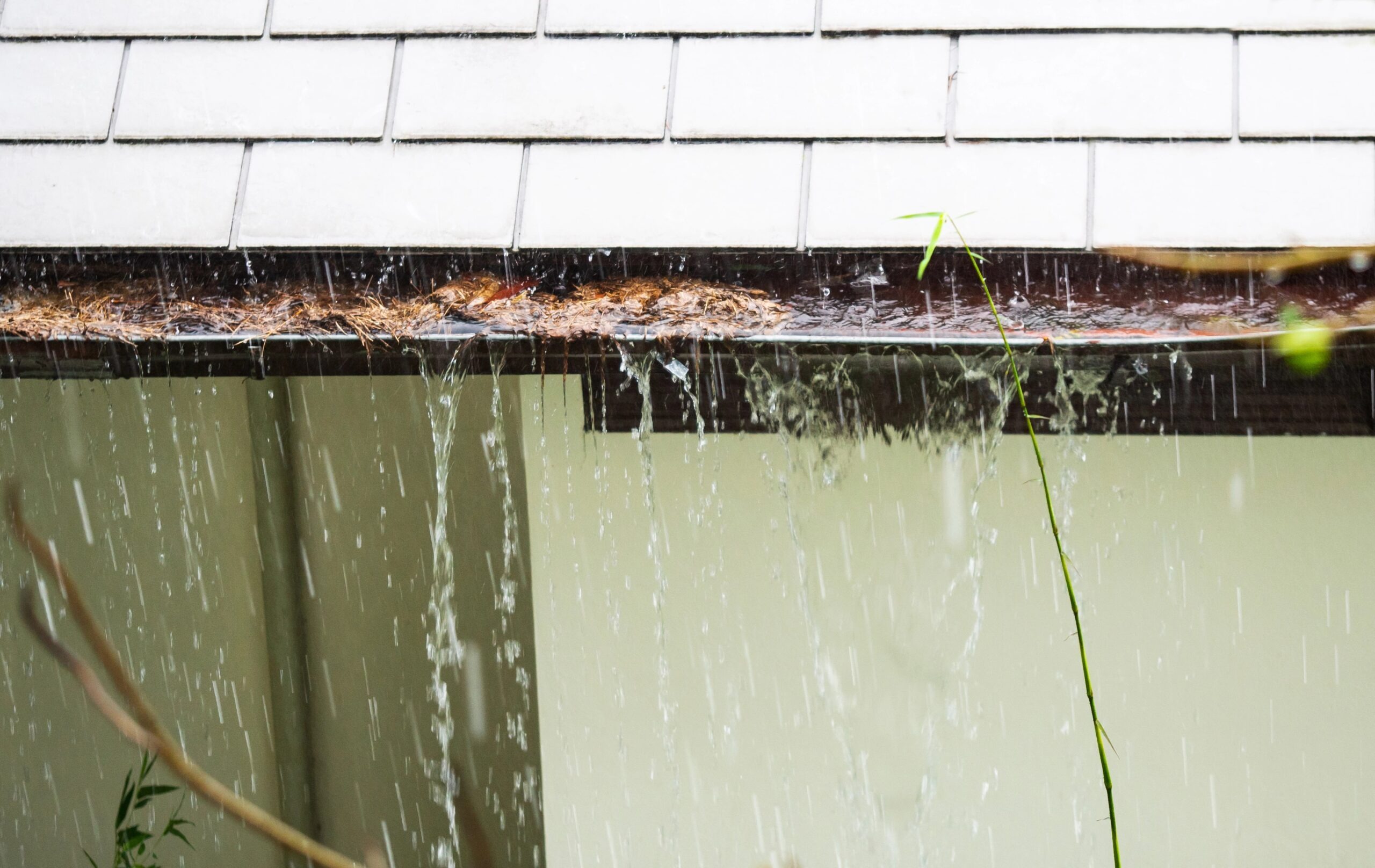
Gutters in New York City clog most from leaves and organic debris, followed by tree seeds, small branches, ice and snow, and urban litter blown off rooftops and street trees. In NYC’s dense streetscape, leaves and wind‑driven debris pile up quickly, especially on flat or low‑pitch roofs, causing water to back up, overflow, and damage foundations, siding, and interiors.
Understanding what clogs gutters most in NYC helps homeowners choose the right gutter‑guard systems, schedule cleanings, and protect their roofs from leaks, mold, and costly repairs.
1. Leaves and Organic Debris (Top NYC Clog)
Why leaves dominate NYC clogs
- NYC’s tree‑lined streets drop massive amounts of oak, maple, beech, and ginkgo leaves each fall, funneling directly into rooftop gutters.
- Wet, compacted leaf mats sit tightly in the channel, forming a “plug” that traps water and blocks downspouts.
Impact on roofs and foundations
- Water overflows, pours down walls, and pools near foundations, raising the risk of basement flooding, mold, and structural rot.
- Organic debris holds moisture at the roof edge, encouraging rotten fascia boards and soffit decay, which is common on older NYC rowhouses and brownstones.
2. Seeds, Twigs, and Small Branches
What actually clogs gutters
- Tree seeds (like “helicopters” from maple trees) and small twigs jam gutter openings, downspouts, and corners, especially after strong winds or storms.
- In older buildings with nearby trees, broken branches from storms can fall into gutters and create partial or full blockages.
Why this is worse in NYC
- Tightly packed rowhouses and brownstones often have overhanging trees on sidewalks or neighboring yards, so seeds and sticks funnel into narrow rooflines.
- Clogged gutters from twigs and seeds can cause ice buildup in winter, leading to ice dams and gutter damage.
3. Ice, Snow, and Ice Dams
How ice clogs NYC gutters
- In fall, leaves and debris freeze together into hard ice plugs, blocking downspouts and eaves.
- Ice dams form when warm‑roof heat melts snow, which then refreezes at the colder gutter edge, creating a dam that backs up water under shingles.
Damage in NYC homes
- Ice dams and frozen debris can pull gutters away from the house, bend metal, and crack connections.
- Water forced behind fascia boards can cause leaky ceilings, attic dampness, and mold, especially in older NYC townhouses.
4. Roof Debris and Urban Litter
What else clogs gutters
- Loose shingles, small roofing pieces, and construction debris can wash into gutters after storms or nearby roof work.
- Wind blows plastic bags, packaging, and street litter from sidewalks and neighboring buildings into rooftop drainage systems.
Why this matters in NYC
- With many flat or low‑pitch commercial roofs, ponded water plus debris speeds up membrane and gutter wear.
- Blocked downspouts stress the entire system, leading to sagging gutters, leaks, and overflow over doorways and sidewalks.
5. Gutter Guards That Fail (Hidden Clog Source)
How “solution” items become clogs
- Some gutter guards and mesh screens trap pine needles, fine debris, and moss, which then pack into the mesh and block water flow.
- Cheap foam or brush inserts can absorb leaves and seeds, swelling and fully blocking the channel.
NYC‑specific issues
- On high‑rise and multi‑story buildings, failed gutter‑guard systems go unnoticed for months, letting water overflow and damage brickwork and windows.
- Poor‑quality guards can also increase weight on brackets, leading to sagging and misalignment.
6. Birds, Nests, and Other Biological Clogs
Unusual but common clogs
- Bird nests, pine needles, and accumulated moss can build up in gutters and downspouts, especially on older NYC homes with wide eaves.
- Larger nests may block entire downspout sections, causing water to back up and spill over the sides.
Risks to your home
- Nest material swells when wet, creating dense blockages that are hard to clear without tools.
- Damp, organic nests encourage mold and insect infestations near the roofline, which can spread to interiors.
7. How to Prevent What Clogs Gutters Most in NYC
Maintenance schedule
- Spring and fall cleanings (at least twice a year) remove leaves, seeds, and debris before they compact.
- For homes surrounded by trees, consider professional gutter cleaning every 3–4 months during peak leaf‑drop season.
Upgrade gutter systems
- Install high‑quality gutter guards or micro‑mesh systems designed for NYC‑style roofs to reduce how many leaves clog gutters.
- Use larger K‑style or half‑round gutters (5–7 inch) and proper downspout spacing (every 25–35 ft) to handle heavy rain and some debris.
8. Problems Caused by Clogged Gutters in NYC
Common consequences
- Water overflow that soaks foundations and leads to basement flooding and mold.
- Roof and fascia damage, including rot, leaks, and sagging gutters.
- Ice dams and ice buildup that pull gutters down and damage shingles.
Why NYC is especially vulnerable
- Flat roofs and dense tree coverage increase debris accumulation and ponding.
- Older brick and brownstone facades are especially sensitive to water damage from overflowing gutters.
9. FAQs: What Clogs Gutters Most in NYC?
What clogs gutters most in NYC?
Leaves and organic debris from city trees clog gutters most, followed by tree seeds, small branches, ice, snow, and urban litter blown onto roofs.
How often do NYC gutters clog from leaves?
Typically 1–2 major clogs per year in fall, with minor clogs after strong storms; homes near trees may clog 3–4 times annually.
Can ice completely block gutters in NYC?
Yes—ice and frozen leaves can form solid plugs in gutters and downspouts, especially on flat roofs and colder‑facing sides of buildings.
Do gutter guards stop all clogs in NYC?
No, but high‑quality micro‑mesh or specialty guards greatly reduce clogs; they still need periodic cleaning to remove fine debris.
Should I clean gutters in winter NYC?
Avoid climbing in winter; hire a professional before heavy snow to prevent ice dams and frozen debris clogs.
How do I know if my gutters are clogged NYC?
Signs include water overflowing, peeling paint near downspouts, standing water on the roof, and visible leaves or debris in the channels.
Are clogged gutters dangerous in NYC homes?
Yes—they can cause basement flooding, mold, roof leaks, and structural damage that are expensive to repair in NYC’s older housing stock.
Keep Your NYC Home Safe from Clogs
Preventing what clogs gutters most in NYC starts with regular maintenance, the right gutter‑guard system, and professional inspections. If you’re dealing with frequent overflows, ice dams, or sagging gutters, it’s time to upgrade with a seamless gutter system that resists clogs and handles heavy rainfall.
For expert insights and professional cleaning, repair, or seamless gutter installation across all five boroughs, visit Seamless Gutter NYC
today. We specialize in NYC‑built homes, offer free on‑site inspections, and help protect your property from water damage caused by clogged gutters—call now to schedule your service!